Implementation and Coordination of the Call for Projects
Möbius also supported SPW ARNE/DIGPD in defining the detailed arrangements for the 2022 call for projects and ensuring its implementation, from consultation with sectors and the development of a governance methodology, to the dissemination of the call for projects and support provided to applicants, the establishment of a jury and project selection, and finally the involvement of stakeholders in the selected projects, monitoring, reporting and evaluation of the call for projects. These stages are detailed below.
During the preparation phase, feedback from stakeholders was gathered in order to shape the implementation arrangements of the call for projects. Two guidance documents were drafted in collaboration with SPW ARNE/DIGPD, based on the approved action plan and taking into account the needs expressed by the main stakeholders. These documents targeted two audiences: municipalities and the private sector. In addition, the two application forms were revised and improved in order to collect the information required for assessing the selection criteria used by the jury.
Möbius subsequently defined a communication and recruitment strategy and developed dedicated communication materials tailored to the target audiences and their preferred channels. In consultation with SPW ARNE/DIGPD, we also compiled a list of postal and electronic contact details for the target audiences, in compliance with GDPR requirements and by leveraging the Möbius network.
At the same time, Möbius proposed potential jury members, whose appointment was validated by the Steering Committee. Jury members were invited to an information session in order to clarify the operating procedures of the jury, including chairmanship, decision-making processes and the use of the evaluation grid.
Once the call for applications was launched, Möbius established a helpdesk service (via email and telephone) to answer questions from potential applicants. To avoid any misunderstanding regarding the regulations, FAQ documents were developed and updated regularly for each call for projects. Möbius also organised several information webinars to maximise promotion of the initiative and proactively encourage applications.
Following the submission of applications, Möbius supported SPW ARNE in assessing the formal compliance and eligibility of each file, both from an administrative perspective and in terms of eligible costs. Following any corrections, Möbius facilitated the analysis and scoring process carried out by the jury members using the various selection criteria set out in the evaluation grid. During the meetings to select the winning projects, Möbius moderated discussions and acted as secretary. Relationships between submitted, approved and rejected projects, as well as success rates by target group, were analysed in order to improve future guidance documents and capitalise on ideas from unsuccessful applications.
Coaching and Networking of Pilot Projects
Following notification of the successful applicants, Möbius was tasked with maintaining momentum among the various stakeholders involved in the selected projects and monitoring implementation of the chosen initiatives. A monitoring sheet was developed to ensure harmonised reporting across projects. Successful applicants were brought together during an initial collective support session to provide them with general information and a toolbox (including tools from BeWaPP, Fost Plus and others) to facilitate project implementation.
Throughout the support process, Möbius closely monitored the pilot organisations through various channels — including a helpdesk via email, videoconferencing, a Teams channel, telephone calls and monitoring sheets — in order to serve as a point of contact for questions. Biannual individual coaching sessions were organised between each project leader and the expert assigned to the project in order to discuss challenges and identify solutions, including connecting them with relevant experts or missing partners.
Additional collective sessions were organised, including a voluntary mini learning network each year to encourage inspiration and mutual learning. During these online sessions, interaction between participants was encouraged by focusing on shared challenges such as awareness-raising, indicator monitoring and resistance to change, allowing good practices to emerge.
During this period, regular short follow-up meetings were held with SPW ARNE/DIGPD to review the progress of individual sessions, discuss any decision points and share lessons learned from the different projects. At the end of the programme, Möbius advised project leaders on reporting their results to SPW ARNE/DIGPD, with a particular emphasis on the impact of their achievements.
Finally, Möbius delivered a final report providing recommendations to SPW ARNE/DIGPD regarding the collection of household packaging waste outside the home. The support process and the obstacles encountered by successful applicants were evaluated in order to formulate recommendations for improving future support programmes. These conclusions were shared with the Steering Committee.
Results
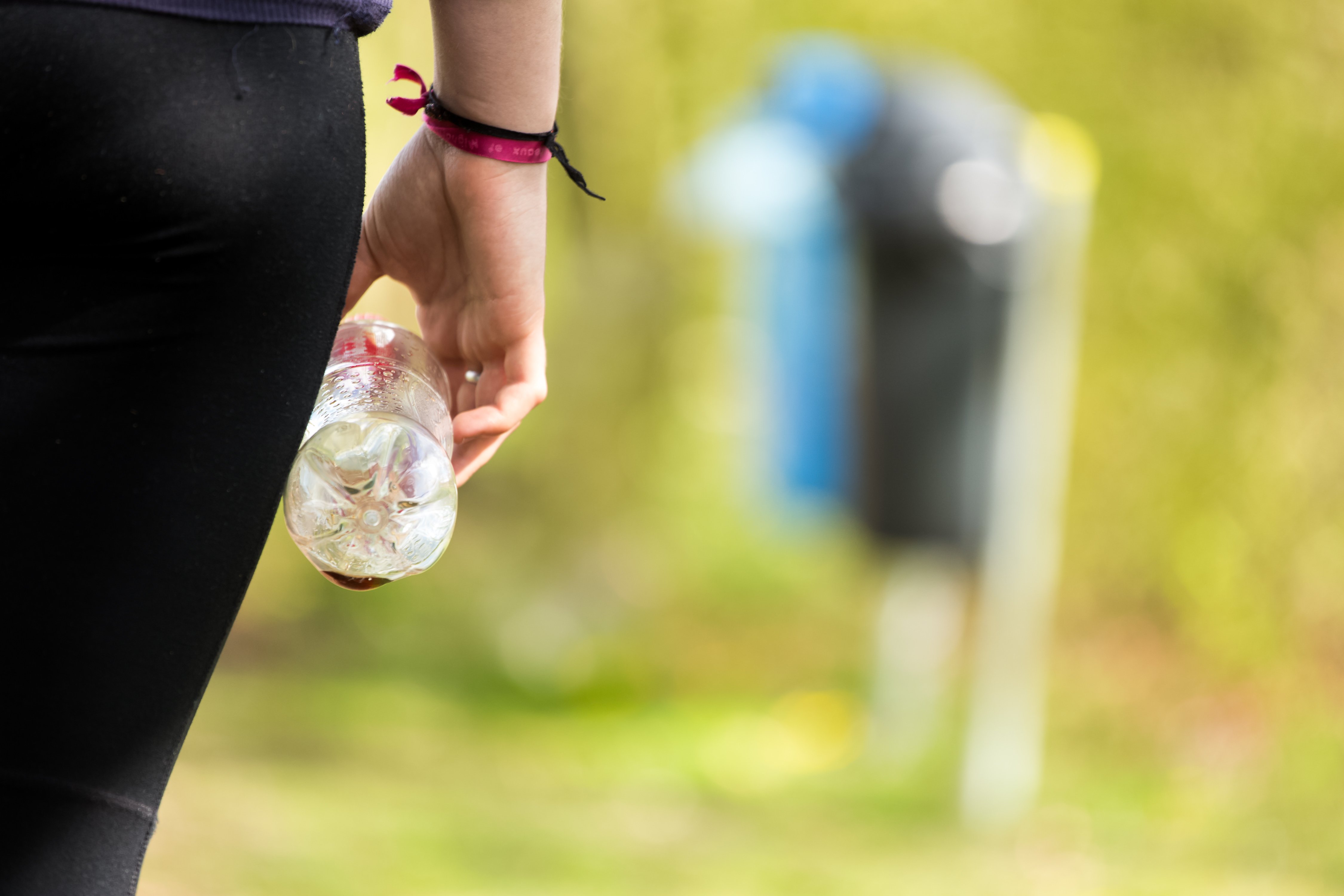
This support programme, which ran until the end of 2024, directly contributed to optimising the management system for waste generated “outside the home”. In total, 33 Walloon municipalities and 11 healthcare institutions (hospitals, care homes, etc.) implemented sorting infrastructure and raised awareness among their users regarding the selective collection of “Out-of-Home” waste. Participants highlighted the positive impact of the sorting dynamic within their organisations and the results achieved, both in terms of the quantity and quality of sorting. Lessons learned from the pilot projects are being shared in order to showcase the benefits and contribute to the next action plan for a more streamlined management of “Out-of-Home” waste streams.