


Approach
Möbius guided Dossche Mills through a structured process to ensure a compliant and audit-ready carbon footprint.
-
Scoping and Boundaries: The project began by defining the organisational and operational boundaries in alignment with the Greenhouse Gas Protocol. It was determined that the assessment would cover all scopes (1, 2, and 3), ensuring a complete picture of the value chain. The applicable Scope 3 categories to Dossche Mills were selected based on the organisation’s activities.
-
Carbon+Alt+Delete implementation: To manage the complexity of data collection across multiple sites, the software platform Carbon+Alt+Delete was selected. The use of specific data collection templates streamlined the input process, while the platform facilitated the emissions calculation and the application of accurate emission factors for both fossil- and land-based emissions.
-
Methodological Rigour: Möbius applied specific methodologies to address sector-specific challenges. This included calculating emissions for the "processing of sold products" (e.g., energy used by bakeries) and sourcing accurate emission factors from databases such as Agribalyse and Ecoinvent to calculate the impact of wheat and other raw materials purchased.
-
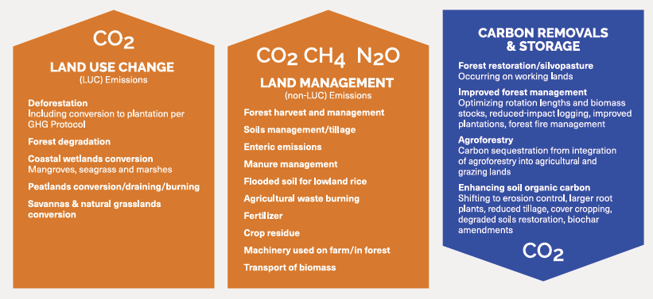
FLAG Differentiation: A detailed analysis was conducted to split emissions into FLAG and Non-FLAG categories. This involved assessing Land Use Change (LUC) and Land Management (LM) practices, ensuring the baseline was compliant with SBTi target setting.
Results
The collaboration resulted in a transparent and granular greenhouse gas inventory for Dossche Mills.
-
Scope 3 Dominance: The calculation revealed that 93% of the total emissions originated from the value chain (Scope 3). Specifically, purchased goods and services accounted for the vast majority (65%), driven by the procurement of wheat and other ingredients. Followed by the emissions from processing of sold products by bakeries and other food processors (14%).
-
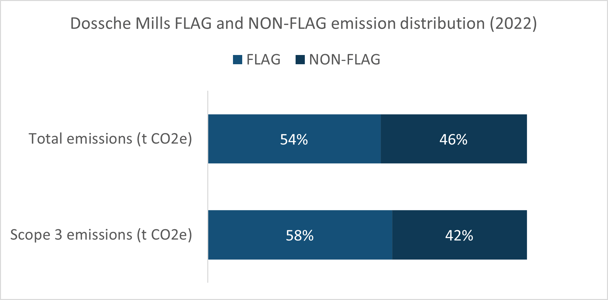
FLAG vs. Industrial Split: The analysis confirmed the importance of the FLAG guidance, with FLAG emissions representing 58% of the Scope 3 emissions. This distinction allowed for more precise target setting.
-
Actionable Insights: The results highlighted clear hotspots for decarbonisation. The decarbonisation transition plan should focus on engaging suppliers to reduce agricultural emissions, optimising upstream transport, and switching to renewable electricity for internal operations. Dossche has set a first step in this by engaging with its suppliers through its Terah Program.
With this solid baseline, Dossche Mills has a view on its most significant emission sources and is ready to set near-term SBTi-FLAG targets. The company has now a robust data collection and carbon footprint calculation process that can be replicated independently in the coming years to track progress.
Do you need help shaping your sustainability strategy? Contact us!
.jpg)
-3.png?width=410&height=220&name=Hamlet%20Carbon%20Footprint%20(1)-3.png)