

Strategic challenge
At the request of management, INASTI launched a Strategic Workforce Planning (SWP) initiative in 2018, with a planning horizon extending to 2028. The aim of the initiative was to establish an action programme focused on training measures and the harmonisation of procedures. However, the project was interrupted due to the COVID-19 pandemic and limited time resources.
In 2024, INASTI decided to relaunch the initiative, starting with a pilot project within the Obligations and International departments (VOB/INT). The objective is to align workforce management with INASTI’s long-term strategic goals, anticipate future developments, and respond proactively to emerging needs.
Approach
Throughout the project, the Möbius team worked closely with a project group consisting of VOB managers and members of the HR department.
Möbius adapted its proven strategic workforce planning methodology into three main phases:
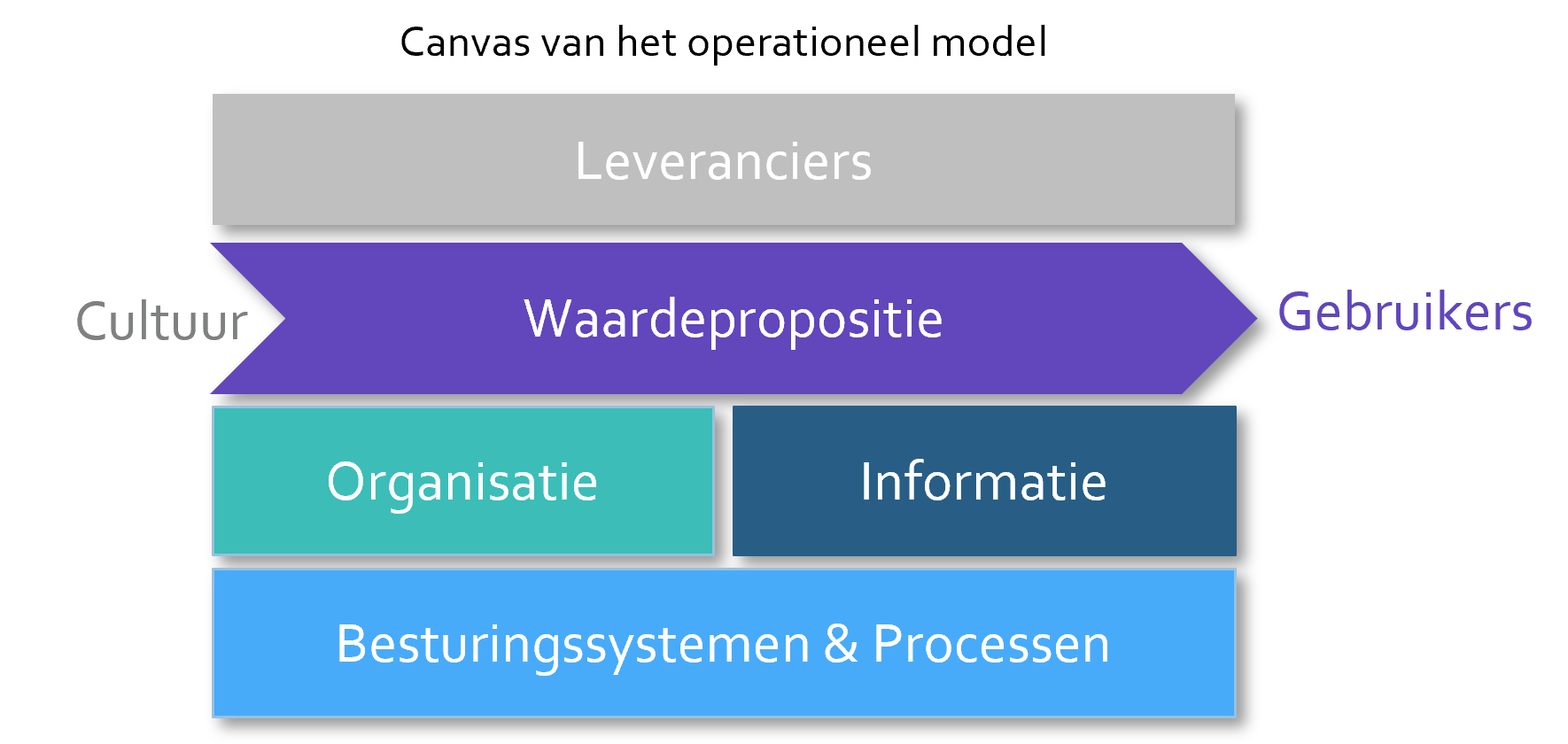
- An analysis of the current organisational and operational situation of the two departments through completion of the Target Operating Model, examining seven predefined domains.
- The definition of a future vision (“TO BE”) based on predictable drivers and scenarios.
- A GAP analysis and action plan specifically focused on workforce management processes.
Analysis of the AS IS situation
Following an in-depth review, Möbius carried out process walk-throughs in the various regional offices and at head office. The Möbius team also interviewed key stakeholders within the departments and across the organisation. This enabled them to complete a comprehensive Target Operating Model.
The model combines both quantitative and qualitative analysis and highlights the main areas with potential for improvement.
.png?width=1506&height=795&name=Ontwerp%20zonder%20titel%20(39).png)
Defining the TO BE situation
To better define the changes the organisation is expected to face over the coming years, Möbius analysed and consolidated information from academic literature and public databases. The team then presented hypotheses to a working group made up of staff from both departments, allowing them to tailor the findings to the specific context of VOB and INT.
.png?width=574&height=314&name=Ontwerp%20zonder%20titel%20(28).png)
Following an analysis of the organisation’s external environment, Möbius collaborated with the project team to define the expected internal changes likely to impact operations and human resources within the VOB and INT departments:
- Evolution of the organisational structure
- Development, growth, reduction or discontinuation of activities and processes
- Changes resulting from workload developments
- Changes in responsibilities and required competencies
Based on these anticipated developments, Möbius validated several scenarios together with the project group. The team then calculated the workload and workforce profiles that would be required by 2030 under each scenario.
GAP analysis and action plan
Möbius conducted a GAP analysis between the current situation and future needs, followed by the development of an action plan. The plan focuses on the necessary and priority changes in workforce management to ensure the departments will have sufficient resources in place by 2030.
The plan is divided into six chapters and addresses the majority of issues identified during the AS IS analysis. It is intended to strengthen HR processes that support effective human capital management based on the projected scenarios.
These actions are designed to:
- optimise the use of talent in order to continue serving self-employed professionals in a rapidly evolving environment;
- ensure that essential knowledge is retained in a complex and increasingly automated market;
- develop the competencies needed for the future;
- reduce the risk of future staff shortages.
.png?width=904&height=470&name=Ontwerp%20zonder%20titel%20(29).png)
Results
The HR department and the VOB and INT managers now have access to a detailed analysis of the current situation, including workload calculations and the workforce profiles required by 2030. The GAP analysis enabled the development of an action plan to implement the transformations essential for successful strategic workforce management.
Conclusion
Strategic workforce planning at INASTI aims to align human capital with the organisation’s long-term objectives, while taking into account external developments and internal needs. The integrated approach, combining quantitative and qualitative analysis, makes it possible to establish a concrete action plan to bridge the gap between the current situation and the future vision.
The strong focus on roles, competencies and continuous improvement will enable INASTI to adapt to change and continue providing high-quality services to self-employed professionals. This work was carried out in close collaboration with HR management, the VOB/INT coordinators and staff representatives, who are now actively implementing the action plan.