
Dolphin Metal Separation wanted to firmly embed data-driven working practices within its production environment. Together with consulting firm Möbius, the company transformed raw data into actionable management information based on the PSQDC methodology. The result is a transparent way of working in which performance is visible to everyone and the team can respond more quickly.
The initiative stemmed from a widely shared need to manage operations based on facts rather than assumptions. At Dolphin – a specialist in recovering non-ferrous metals such as aluminium, copper and zinc from residual waste streams – much of the data was still being recorded manually or on paper. As a result, opportunities to gain control over the complex production process were limited.
The assignment for Möbius was therefore clear: develop an organised and data-driven way of working. Möbius guided Dolphin through three stages: structuring the data, translating processes into management information, and supporting change within the team.
PSQDC as a framework for tailored solutions
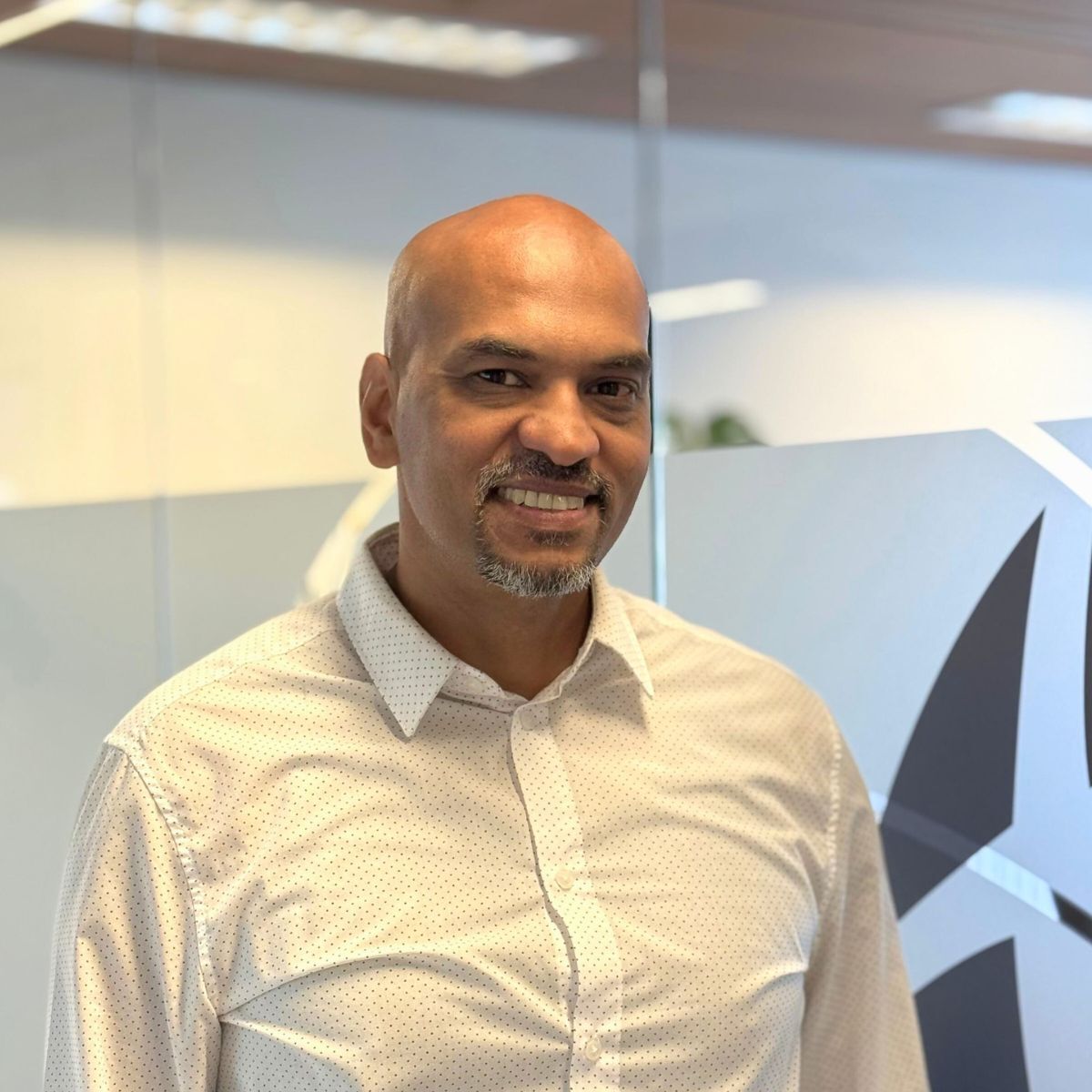
For day-to-day management, Möbius selected the PSQDC methodology (performance, safety, quality, delivery and cost). Although this framework forms the foundation, management consultant Anil Ishwardat explains that the real value does not lie in the model itself.
“PSQDC is a starting point,” he says. “For each element, we examined what it concretely contributes to Dolphin. What remains is fully tailored: a dashboard with powerful visuals directly linked to the existing systems. In this way, we create not only insight, but also predictability in production.”
Within this tailored approach, each PSQDC element received its own interpretation. Under ‘performance’, the production line was analysed to determine where metrics such as operating times and output could be measured. ‘Safety’ was given a prominent place in the dashboard so that incidents and risks are immediately visible.
For ‘quality’, process steps and procedures were analysed and linked to data points, providing greater insight into quality deviations and their possible causes. The ‘delivery’ component shows weekly whether production aligns with planning, while ‘cost’ offers ongoing visibility into efficiency and cost control.
Möbius supported Dolphin not only in structuring data and translating processes into management information, but also in driving adoption within the team.
A screen in the shared workspace
A defining feature of Möbius’ approach in this project was its focus on adoption. After all, a dashboard only works if the people behind it change as well. “The success was not only in the tooling, but especially in the way the team learned to work with it and manage by it,” says Anil.
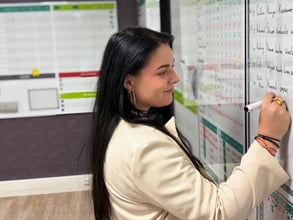
This becomes tangible in Dolphin’s shared workspace, where a large screen makes performance visible to everyone. The organisation has therefore become less dependent on individual knowledge.
“Together with the production team, we meet weekly and dive into the dashboard figures,” says Sander Manssen. “The dashboard shows us the results of recent weeks, and we can now better anticipate what lies ahead.”